
Immingham's Local Wood Floor Staining Company
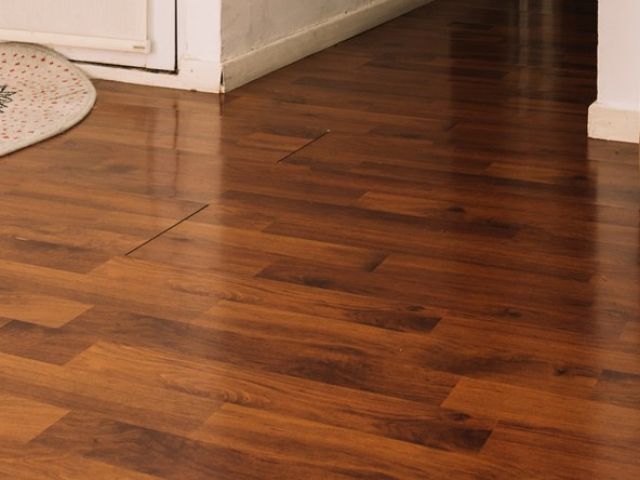
Kleenz Hard Floor Cleaners provides wood floor staining services for customers who want to alter or refresh the colour of suitable wooden flooring as part of a wider restoration process. Staining is generally carried out after the existing surface and previous finish have been removed through sanding, leaving prepared timber that can accept the chosen colour more consistently. It can be used to change the visual character of a floor while retaining the natural grain and variation of the wood underneath.
Different timber species and individual boards can respond differently to staining, so the final appearance depends on the existing floor as well as the colour selected. After staining, an appropriate protective finish is required to help safeguard the restored surface during everyday use.
For customers restoring an existing wooden floor, professional staining provides an opportunity to reconsider its colour and appearance without replacing the underlying timber.
Telephone:
01482 653 511
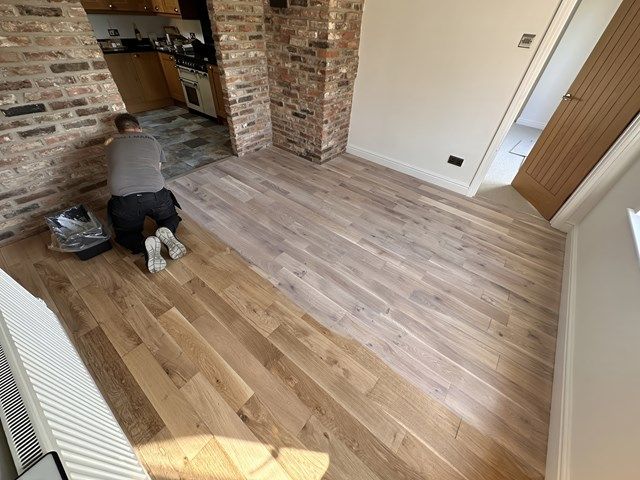
Choosing a Colour That Works With the Existing Timber
Changing the colour of a wooden floor involves more than simply selecting a shade from a chart. The species of timber, its natural colour, grain and previous treatment can all influence how a stain appears once applied.
For this reason, the existing floor needs to remain part of the decision-making process. A stain can alter the overall tone while still allowing natural variations within the wood to remain visible.
Customers may choose to deepen the existing appearance, introduce a different tone or coordinate the floor more closely with changes elsewhere in the room. Considering the desired appearance before the finishing stages begin helps create a clearer restoration plan and avoids treating staining as an isolated decorative step.
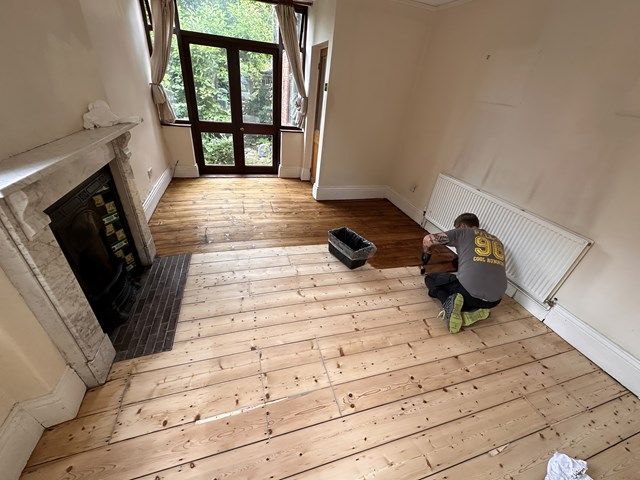
How Wood Floor Staining Fits Into Restoration
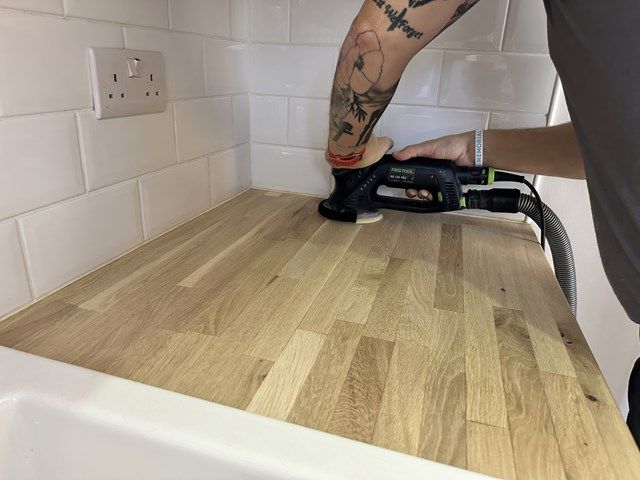
Before stain can be applied effectively, the existing wooden surface generally needs to be appropriately prepared. Sanding removes previous finishes and worn surface material while progressively refining the exposed timber.
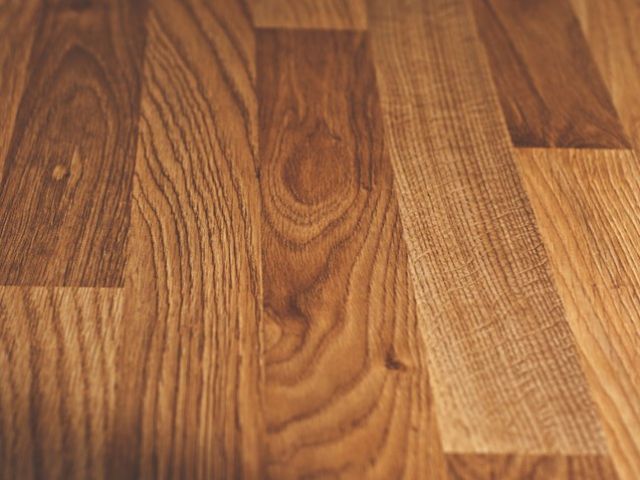
Once the floor is sufficiently prepared and free from sanding residues, the selected stain can be applied to alter its colour while allowing the natural grain of the wood to remain part of the appearance.
Staining itself is not the final protective stage. Once the desired colour has been established and the product has been allowed to dry appropriately, the floor requires a compatible finishing treatment.
This provides protection for the restored timber during subsequent use. The combination of preparation, staining and finishing therefore allows customers to change the appearance of an existing wooden floor while retaining and protecting the underlying material.

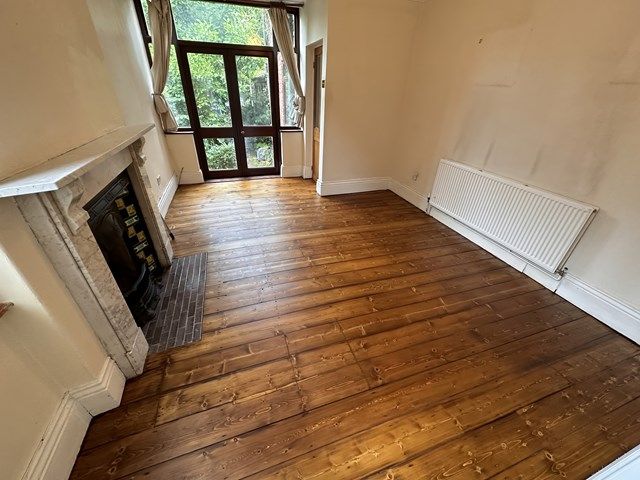
Changing Appearance Without Changing the Floor
A wooden floor can remain structurally useful while its existing colour no longer suits changes made elsewhere in a property. Staining offers a way to alter its visual character while retaining the timber already installed.
Rather than concealing the natural material, an appropriate stain can allow grain and individual variation to remain visible through the changed tone. When combined with sanding and refinishing, this gives customers another option between leaving the existing appearance unchanged and replacing an otherwise serviceable wooden floor.
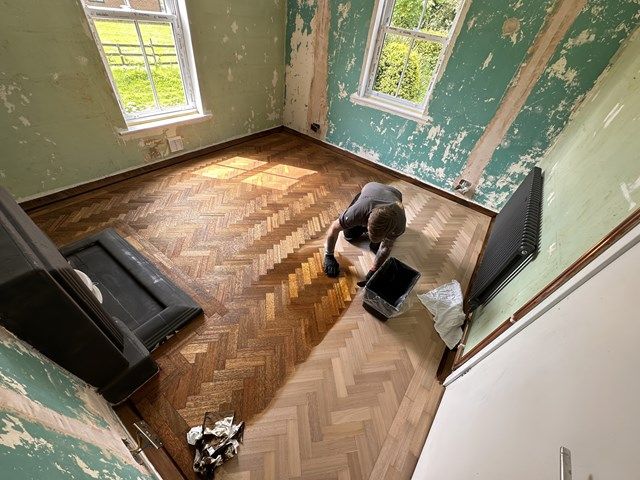
Consider the Finished Floor Before Choosing the Stain
The stain should be considered as one stage within the complete restoration rather than the final result in isolation. Customers need to think about the natural timber, the colour they want and the protective finish that will subsequently be applied. Lighting and surrounding furnishings can also influence how a floor colour is perceived within a room.
Discussing the intended appearance with Kleenz Hard Floor Cleaners before treatment allows the staining decision to be considered alongside preparation and finishing, providing a more coherent approach to the overall restoration.
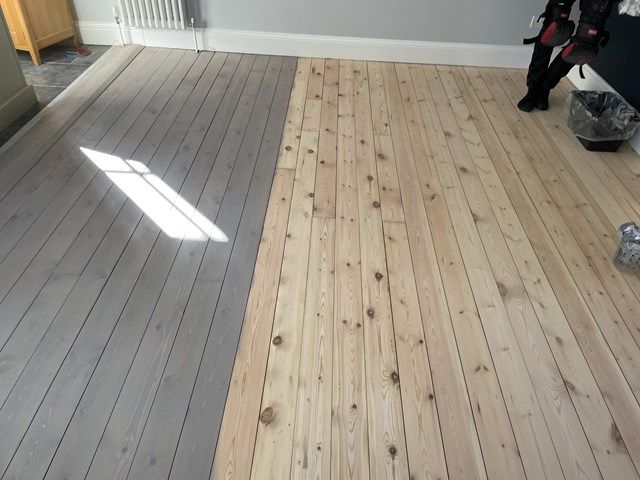
Staining as Part of Floor Restoration
Wood floor staining works most effectively when preparation, colouring and finishing are considered together.
Kleenz provides wood floor restoration services alongside staining, allowing the existing surface to be prepared before colour is introduced and an appropriate protective finish is subsequently applied. This treats staining as part of a complete process rather than simply applying colour over an existing worn surface.
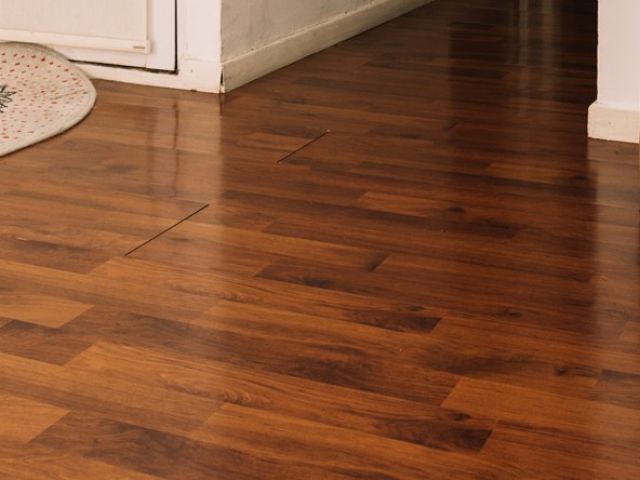
Working With Natural Timber Variation
Different woods and even individual boards within the same floor can respond differently to stain. A restoration approach needs to acknowledge these natural characteristics rather than promise an artificially uniform result.
Considering the existing timber and the customer's preferred appearance provides a more useful basis for selecting an appropriate staining approach.

Colour Followed by Protection
Applying stain establishes the desired tone, but the restored timber also needs protection for continued use. Following staining with an appropriate finishing treatment helps protect the newly coloured surface while allowing the floor to return to practical everyday use.
This combination provides both the visual change customers are seeking and a suitable basis for ongoing maintenance.
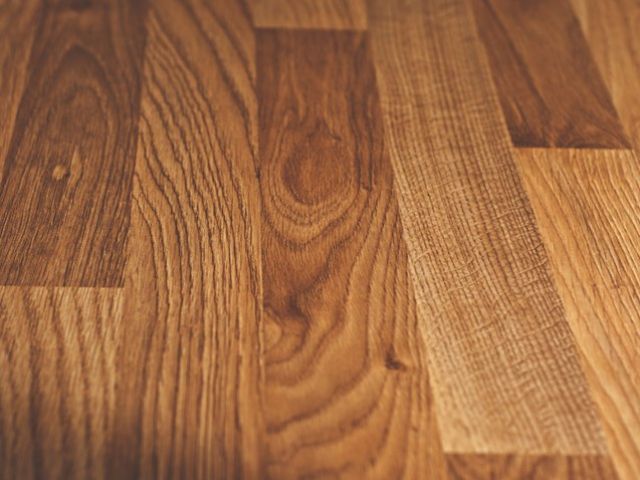
Wood Floor Staining Services in Immingham
Wood floor staining can change the appearance of existing timber while allowing its grain and natural characteristics to remain visible. Kleenz Hard Floor Cleaners provides wood floor staining services as part of the restoration of suitable wooden flooring. The process can involve sanding and preparing the existing surface before the selected stain is applied, followed by an appropriate protective finishing treatment.
Because different timbers and individual boards can respond differently to colour, the completed appearance will depend on the particular floor as well as the chosen stain. Customers considering a colour change can contact Kleenz to discuss their existing flooring, the restoration required and the staining and finishing options available.
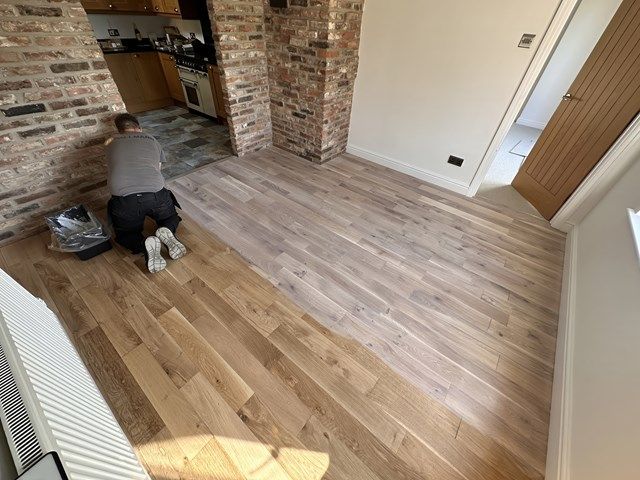
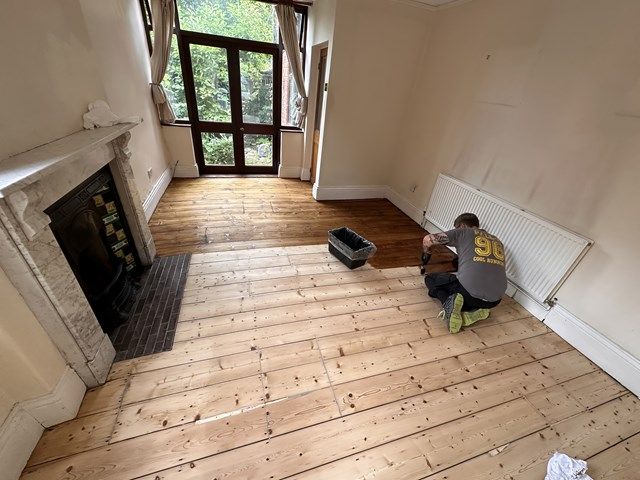
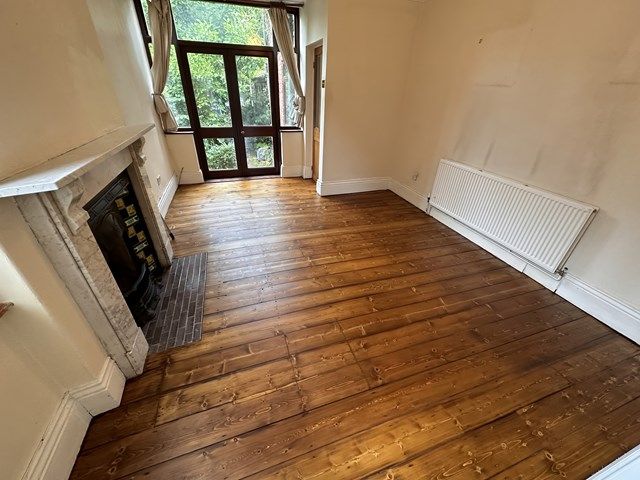
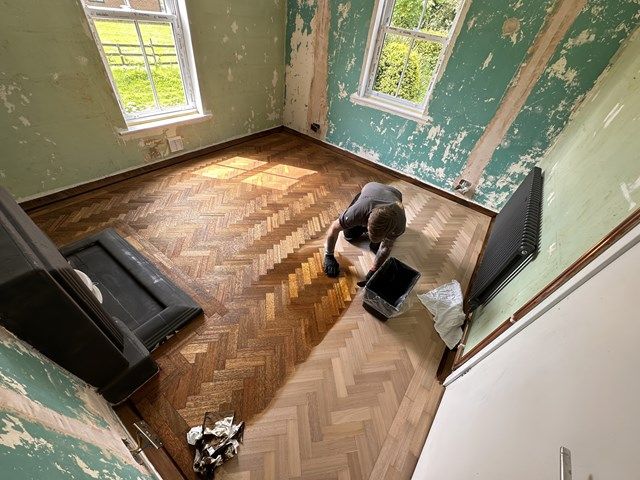
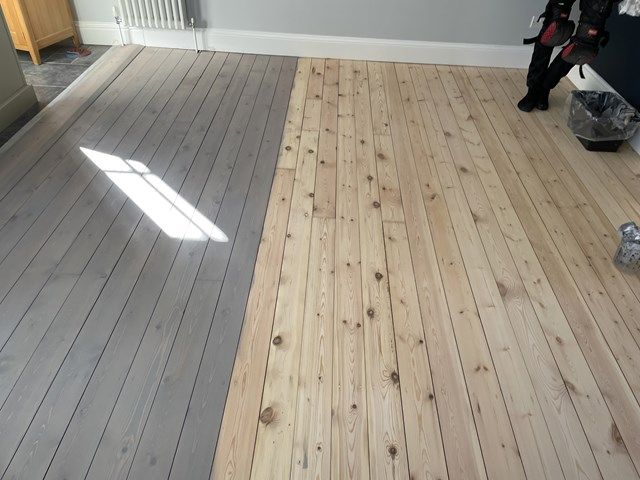
















Confirm who will prepare, stain and finish the floor and whether any part of the service will be subcontracted. If specialist colour matching or restoration has been discussed, ask about the relevant experience of the person performing it.
Knowing who is responsible also provides a clear point of contact during the project.