
Walkington's Local Oak Floor Sanding Company
Kleenz Hard Floor Cleaners provides oak floor sanding and restoration services for wooden flooring affected by scratches, surface wear, discolouration or deteriorating finishes. Oak flooring can retain its distinctive grain and character for many years, but regular use will gradually affect the upper surface and protective treatment. Professional sanding removes a controlled amount from the worn surface, allowing marks and previous finishes to be reduced before the timber is prepared for refinishing.
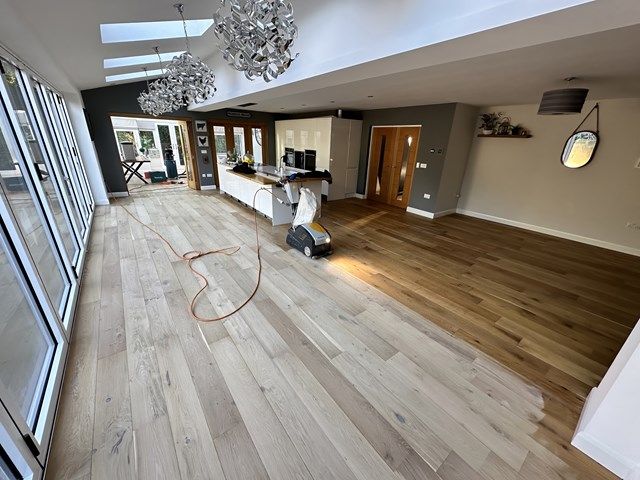
Kleenz uses professional sanding equipment across the main floor together with edging machinery for areas close to walls and boundaries. Once the sanding stages are complete, an appropriate finishing treatment can be applied to protect the newly prepared timber and establish the desired appearance.
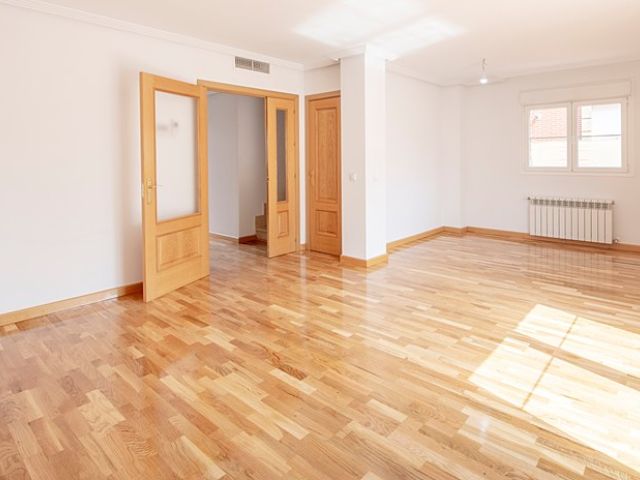
For customers with existing oak floors that have become dull, scratched or generally tired, sanding and refinishing can provide a practical way to restore the flooring while retaining the original timber rather than covering or replacing it.
Telephone:
01482 653 511

Working With the Character
of Existing Oak
Oak flooring often develops its own appearance as it ages, with variations in grain, colour and previous wear contributing to the character of the surface. Restoration does not need to remove that individuality. Instead, professional sanding provides an opportunity to address worn finishes and unwanted surface marks while preparing the existing timber for renewed protection.
The amount of sanding and the subsequent finishing process should reflect the construction and condition of the particular floor. Customers can also consider how they would like the restored oak to look once work is complete.
This allows the restoration to focus on preserving useful existing timber while improving its overall condition and providing a suitable foundation for continued use.
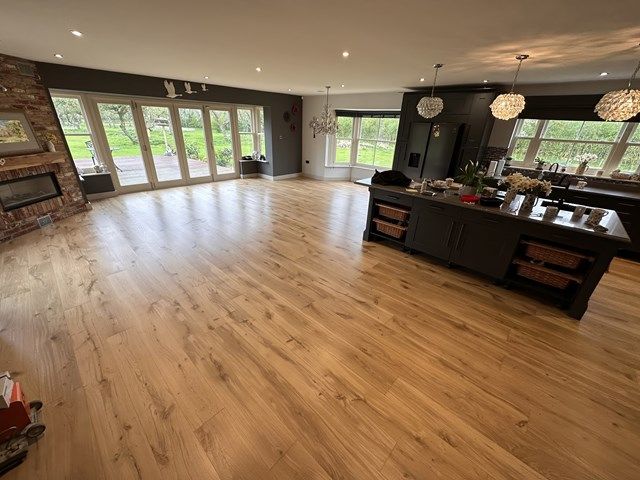
How Oak Floor Sanding and Refinishing Works
The working area is first prepared so that the floor can be accessed safely and effectively. Professional sanding machinery is then used to remove the worn upper surface and previous finishes progressively.
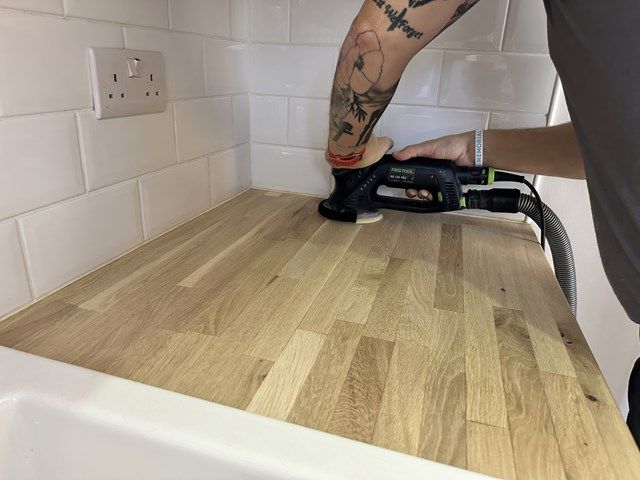
Separate edging equipment allows areas near walls and other boundaries to be treated alongside the main floor. Different sanding stages can be used to refine the timber and create an even surface ready for the finishing process.
After sanding, the exposed oak needs an appropriate protective finish. This final stage can influence the appearance, sheen and tone of the restored floor while helping protect the timber during everyday use.
The most suitable treatment will depend on the particular flooring and the result the customer wants to achieve. Sensible ongoing maintenance after restoration can then help preserve the renewed surface and reduce unnecessary future wear.

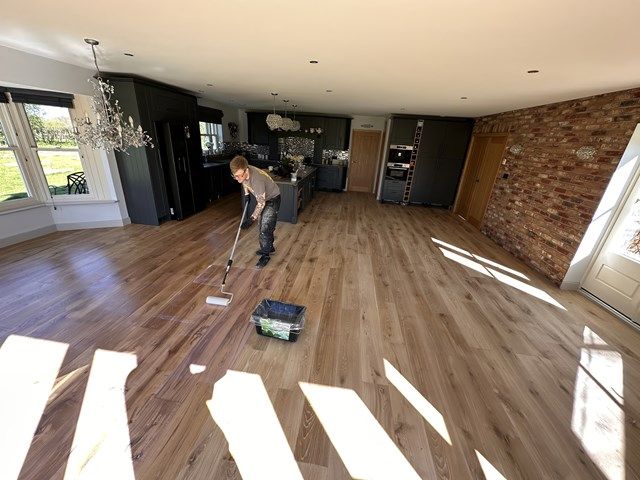
Making More of Existing Oak Flooring
A worn surface can sometimes disguise the quality and character of an existing oak floor. Scratches, ageing finishes and years of everyday use affect what is visible, but they do not necessarily mean that the underlying timber has reached the end of its useful life.
Sanding and refinishing can expose a renewed surface and allow more of the oak's natural grain to become visible again. Retaining and restoring an existing floor can also preserve an established feature of the property rather than replacing it solely because its surface has deteriorated.

Considering the Finished Appearance
The sanding stages prepare the oak, but customers should also consider how they want the floor to look once restoration is complete. Natural variations in timber mean that each surface will respond according to its existing characteristics.
The choice of finishing treatment can influence colour, sheen and the overall presentation of the restored floor. Discussing these preferences with Kleenz Hard Floor Cleaners before the finishing stage helps ensure that practical protection and the desired appearance are both considered as parts of the restoration process.

A Progressive Sanding Process
Kleenz's approach uses professional floor-sanding machinery for the main surface together with separate edging equipment around the perimeter.
Working progressively across the oak helps remove worn finishes and prepare the timber for subsequent refinishing. This staged process treats sanding as preparation for a renewed floor rather than simply an isolated removal operation.

Restoration Focused on the Existing Timber
An oak floor can contain natural variation and character that is worth retaining. Professional restoration works with the flooring already present, addressing deterioration at the surface while preserving the underlying timber where appropriate.
This provides customers with an alternative to assuming that a scratched or tired-looking oak floor needs to be covered or replaced.

Preparation Followed by Protection
Sanding reveals and prepares a renewed timber surface, but refinishing completes the restoration. Applying an appropriate treatment afterwards helps protect the exposed oak and establishes the floor's finished appearance.
Considering these stages together gives customers a clearer route from an ageing surface to a restored floor that can then be maintained appropriately during future use.

Oak Floor Sanding Services in Walkington
Oak flooring can remain a valuable feature of a property long after its original surface finish has become scratched, dull or worn. Kleenz Hard Floor Cleaners provides oak floor sanding services for suitable floors requiring restoration and refinishing. Professional sanding and edging equipment is used to remove worn surface material progressively and prepare the existing timber for a new protective finish.
The work required and achievable result will depend on the construction, condition and previous treatment of the individual floor. Customers considering restoration of an existing oak floor can contact Kleenz to discuss its condition, establish whether sanding is appropriate and learn more about the available sanding and finishing process.
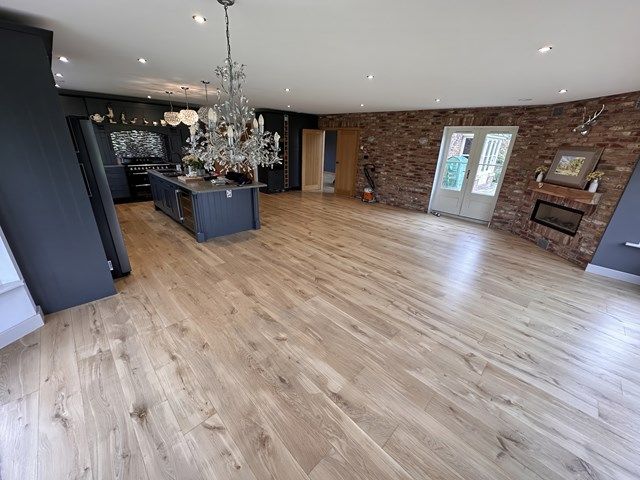


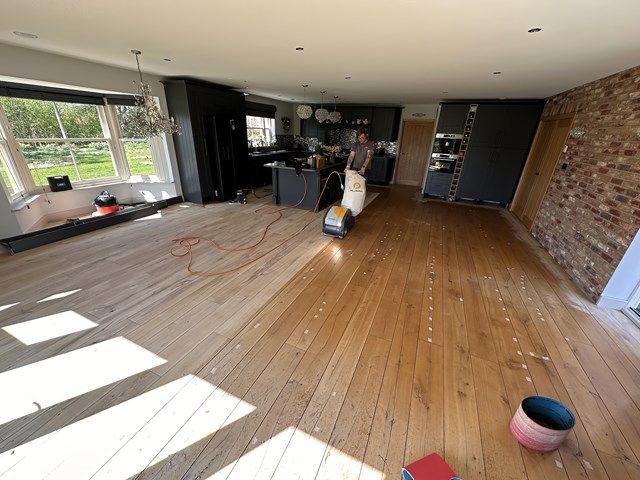
















Ask about practical experience or training relevant to sanding and restoring oak floors. A particular qualification should not automatically be regarded as essential unless genuinely required, but appropriate knowledge can provide useful evidence of technical understanding.
Ask how the provider determines a suitable sanding and finishing process for different oak floor constructions and conditions.